Two fair men lie in water warm and slow,
As brothers are they joinēd heart to heart;
But Cupid hath not struck them with his bow;
Lest that be thought, they sit five feet apart.
Category: Uncategorized
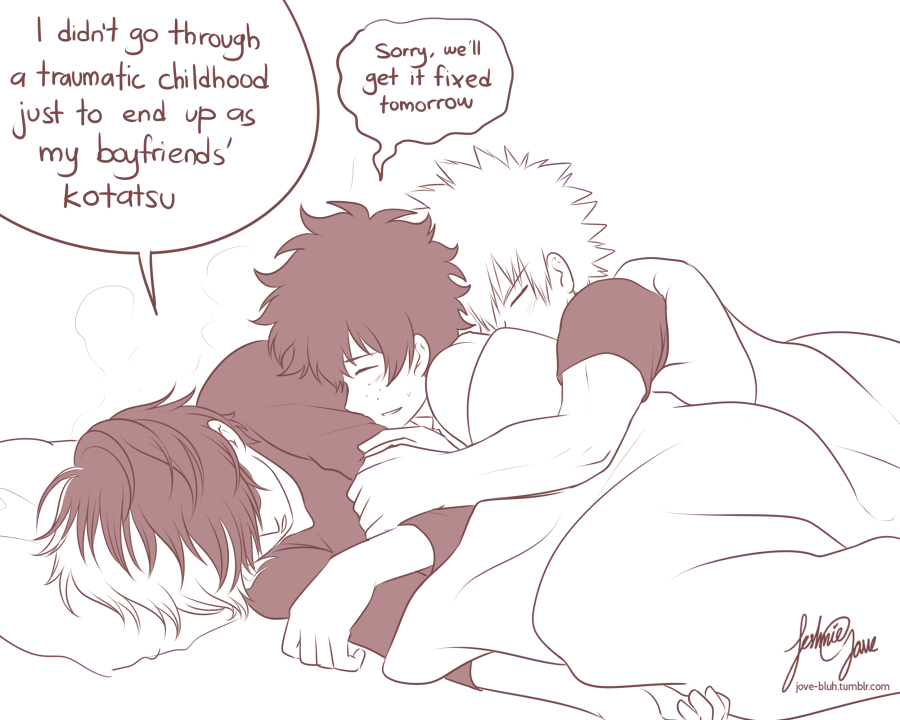
@tdbkdkwk2018 Day 1: Kotatsu.
The horrors of having a very practical quirk.
september is coming up so here’s your yearly reminder to leave billie joe armstrong the fuck alone
the end of september is coming up so here’s another reminder to leave billie joe armstrong the fuck alone
No homo? Why not?
We’re out of stock. We’re expecting another shipment in about a week
In the meantime enjoy our other products such as Binanas, PanCakes, AroMatic, AceCase, and our Genderline, TransPants, Non-Binary Code, and Genderfluid drinks. Thank you for shopping at Queer 4 U
Y’all had absolutely no business making my shitpost this fucking funny
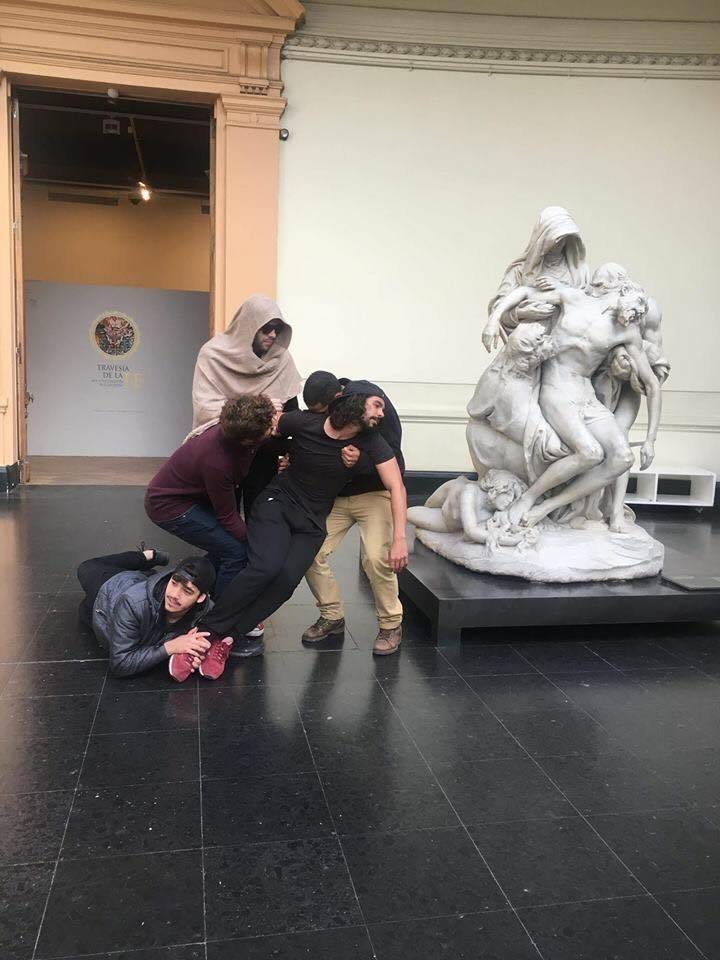
Art.
Honestly, this sounds like an amazing group outing idea. Go to an art museum with the swad and replicate as many statues as you can.
i am not the same person at 8am and 8pm
i am not a person at 8am

Headcanon: I can muster a cogent argument for why it would make more sense or make for a better story if this were the case
Heartcanon: I don’t have a particular rationale for why this ought to be the case, I just like to imagine it’s true because it gives me the warm fuzzies
Gutcanon: it’s not that I actively want this to be the case – it just unaccountably feels like it should be
Junkcanon: I like to imagine it’s true because it gives me the other kind of warm fuzzies
Spleencanon: I insist that this is the case specifically to spite the author, because, like, fuck you, sir or madam
the autistic ping
Look, we’re not actually narcissists
When you talk to us about an emotional issue
And we respond with a personal experience or anecdote
We’re not trying to make the conversation about ourselves.
Most times (at least with me), I have to find an experience within myself that is similar to what you’ve described
So I can furnish an appropriate emotional reaction to what you’re experiencing.
It’s sort of like when you ping an IP address to fix a faulty Wi-Fi connection.
It’s not personal, it’s just how I navigate Feelings™.
This is how many people on the Autism spectrum express empathy. We don’t say things like “You must have felt so…” like neurotypical people are used to. To us, that comes across as presuming to know. We look to when we felt something that seems similar, and offer that experience. That lets the other person decide whether we truly know how they feel.
When I do this I am trying to show you that I really do know how you feel, and not just saying something arbitrary to make you feel better. Since I’m not good at showing and expressing emotions or even knowing exactly what it is I am feeling, I barely know what others are feeling. But by relating situation to situation, I’m acknowledging what they are feeling now and that I felt a similar way once, so that any advice I give can sound like I’m feeling the right emotion.
Oh I had no idea this was an autism thing I always respond to people by talking about situations where I felt similarly
Literally this is so common they test for it during the diagnostic process.
 konekorambles